How Lidar Is Powering the Next Wave of Physical AI in Autonomous Delivery
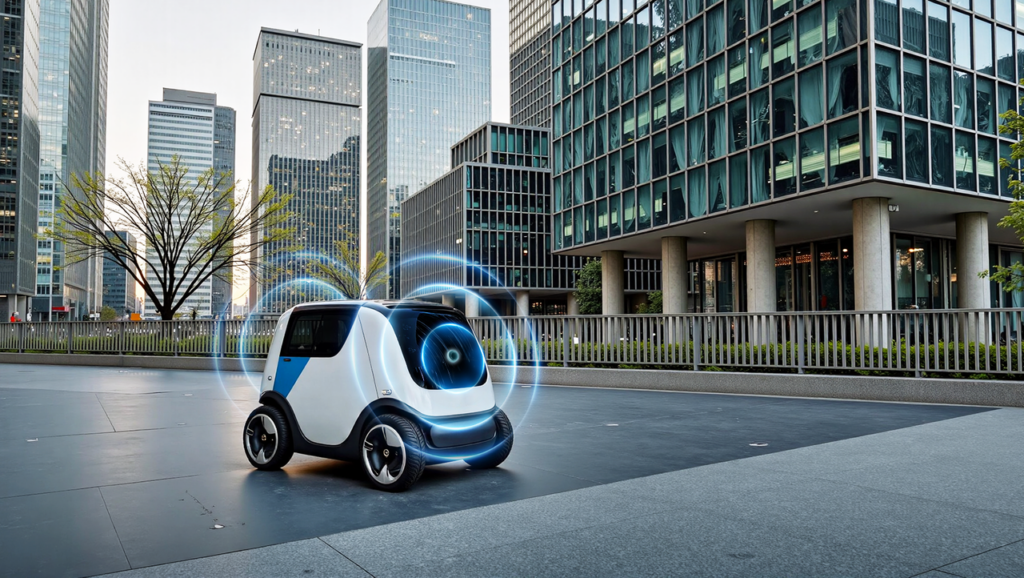
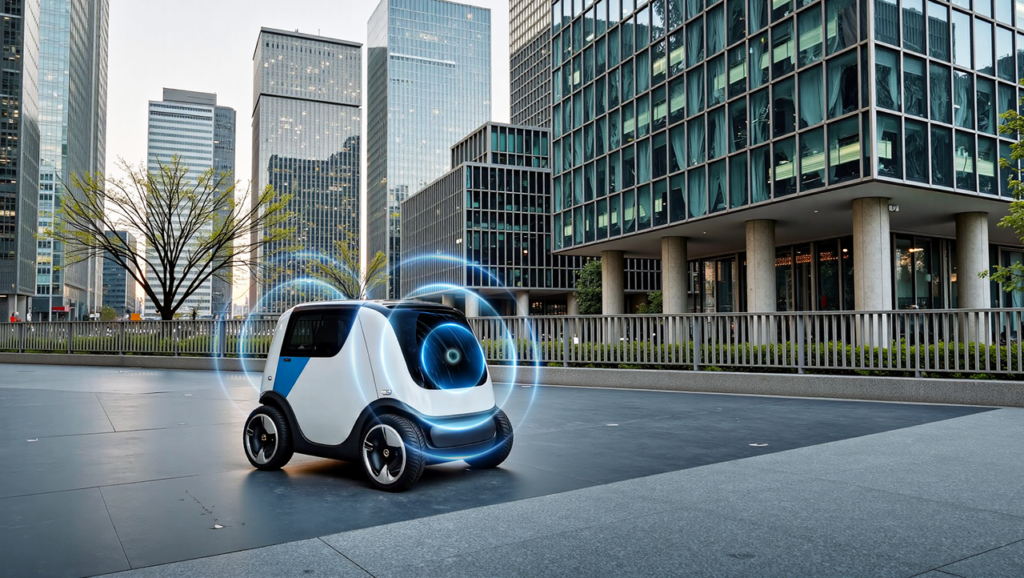
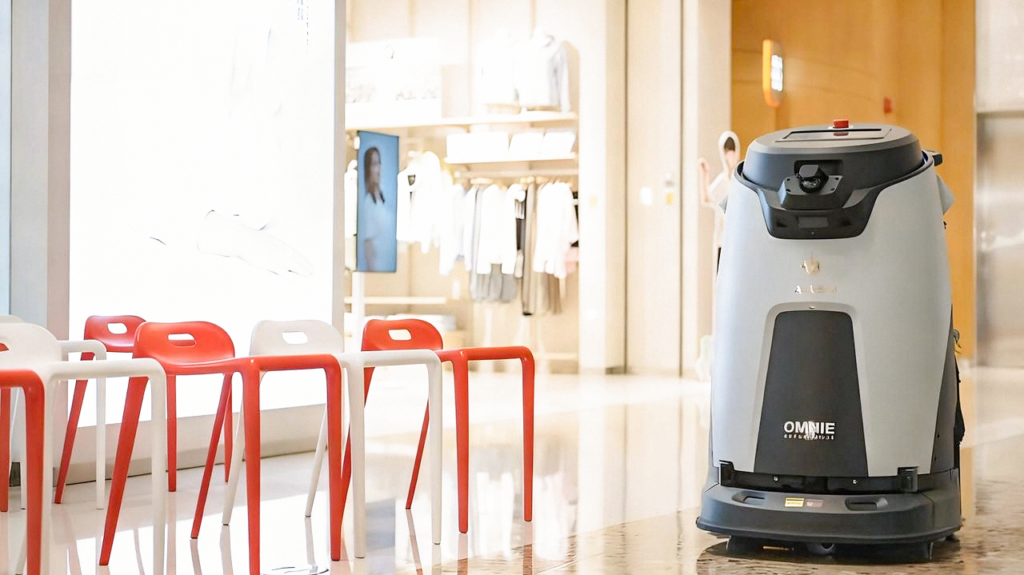
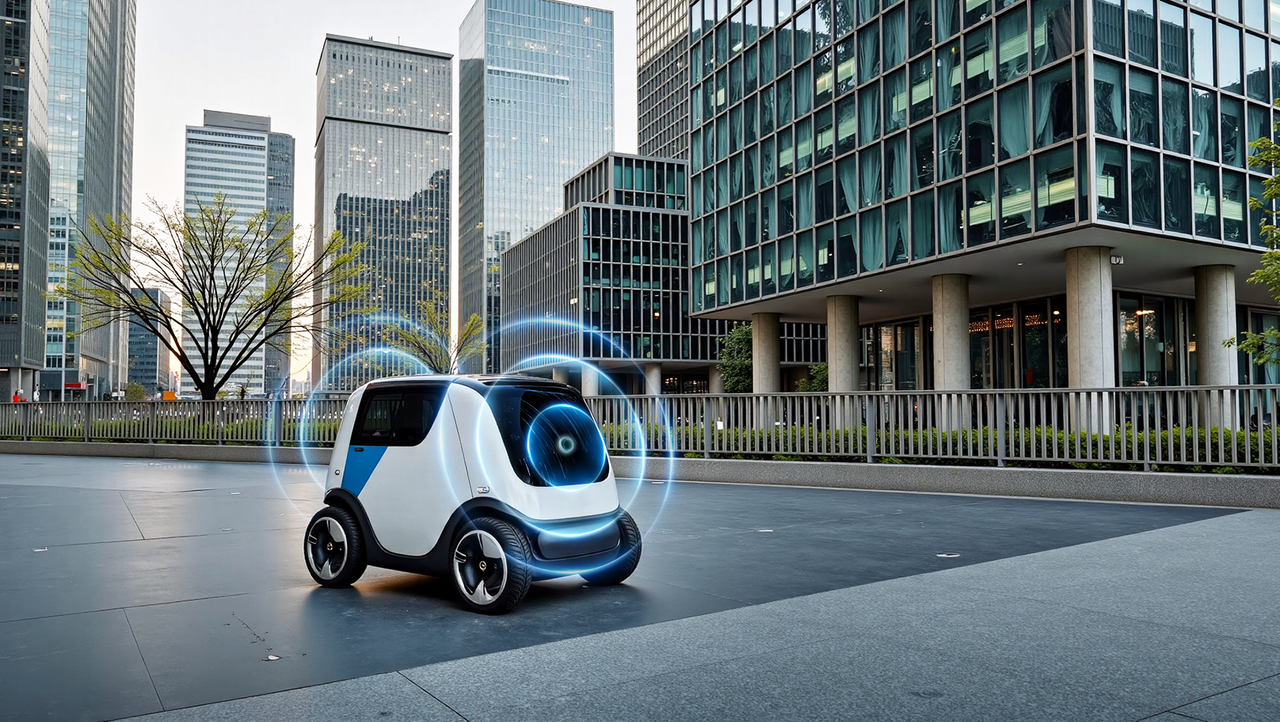
Imagine ordering groceries, takeout, or a small package from a local store and having it arrive at the doorstep the same day — delivered not by a human, but by a robot. What once sounded like science fiction is already becoming reality in many places. Autonomous delivery robots are already operating in urban neighborhoods, university campuses, and last-mile logistics networks around the world. As demand grows for faster delivery, greater labor efficiency, and contactless services, service robots are rapidly becoming part of everyday life.
However, achieving true autonomy in these environments is far from simple: delivery robots must safely navigate complex and highly dynamic settings such as sidewalks crowded with pedestrians, pets crossing, bicycles passing by, and constantly changing traffic conditions. Operating reliably in these real-world scenarios requires precise 3D perception, the ability to detect obstacles in real time, and consistent performance around the clock — even in challenging conditions such as rain, fog, or low light.
Lidar: The Eyes of Delivery Robots
For this reason, reliable 3D perception becomes the foundation of autonomous delivery. Lidar essentially acts as the “eyes” of robots, a crucial part of their navigation system that delivers precise 3D perception of the surrounding environment. It allows delivery robots to detect objects, understand complex surroundings, and operate reliably around the clock. To support these diverse delivery scenarios, Hesai offers a comprehensive lidar portfolio spanning long-, mid-, and short-range solutions, represented by the ATX, JT, and FTX series, respectively. From the long-range ATX for extended visibility and early detection, to the mid-range JT designed for navigating dynamic urban environments, and the short-range FTX ensuring full close-proximity coverage with no blind spots, Hesai’s portfolio delivers a complete, well-rounded perception system tailored for service delivery robots across a wide range of sensing needs.
Why Hesai Lidar Leads in Performance and Reliability
Lidar emits its own laser pulses, making it independent of ambient lighting conditions and enabling consistent perception in both bright sunlight and low-light environments for safe, reliable 24/7 operation. Each emitted pulse reflects off surrounding objects and returns to the sensor, generating individual data points that collectively form a 3D point cloud of the environment. Building on this, Hesai’s high-performance sensors deliver high point rates to create dense, high-resolution 3D maps in real time. This level of detail enables accurate detection of low-lying objects, road bumps, pylons, pets, and other common obstacles encountered during the delivery journey.
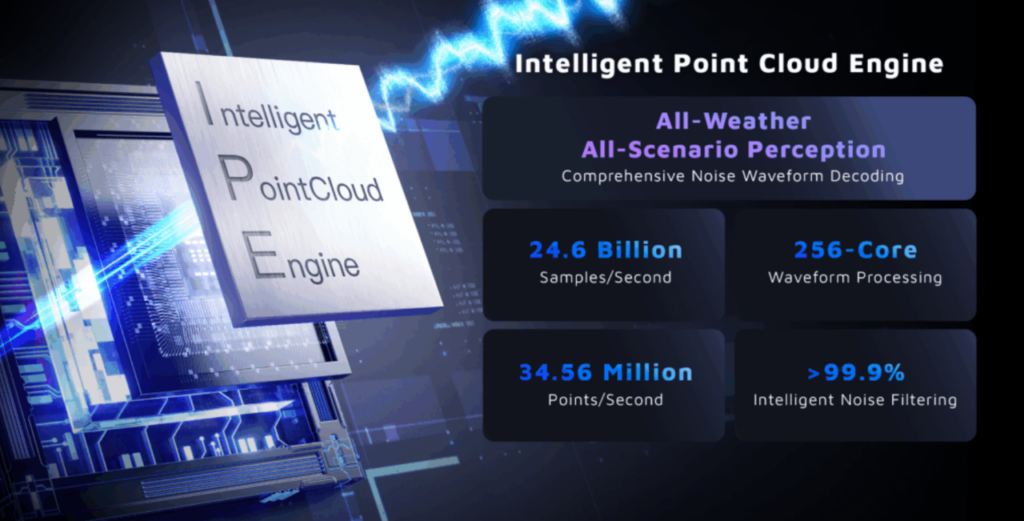
Moreover, Hesai’s lidar designed for service robots features Intelligent Point Cloud Engine (IPE), a proprietary noise filtering technology that removes up to 99.9% of noise caused by rain and fog, enabling robots to accurately perceive and recognize objects even in challenging weather conditions. This market-leading capability significantly expands operational reliability across a wide range of environments.
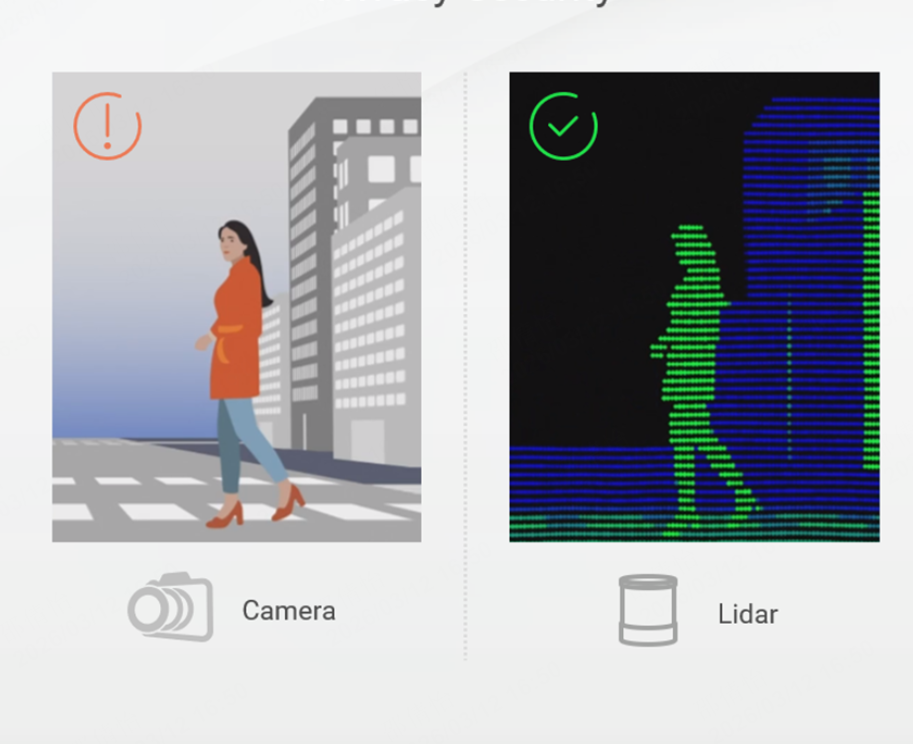
Hesai’s lidar also operates without collecting personal or biometric information, focusing instead on spatial data such as object shape, distance, and position to interpret its surroundings. This enables reliable detection and situational awareness while preserving individual privacy, making it particularly well suited for applications where both safety and privacy are critical. In last-mile delivery scenarios, where robots navigate neighborhood streets and approach private residences — encountering people at their doorsteps, including families and children — this privacy-first approach ensures that no sensitive personal data, such as facial features or identities, is captured or stored, allowing for safe, responsible deployment in close-proximity, real-world environments.
Strategic Partnerships with Industry Leaders to Power Rapid Expansion
Growing demand for last-mile automation, along with the need for logistics companies to cut costs and improve operational efficiency, is driving rapid adoption of delivery vehicles across cities, campuses, and urban delivery networks. As autonomous delivery reaches a tipping point, the industry is swiftly moving from pilot testing to large-scale fleet deployment, placing greater demands on core sensing hardware. Hesai is already partnering with leading players in the ecosystem, including Nuro, DoorDash, Zelos, Neolix, and more, to deliver the advanced perception capabilities delivery vehicles require.
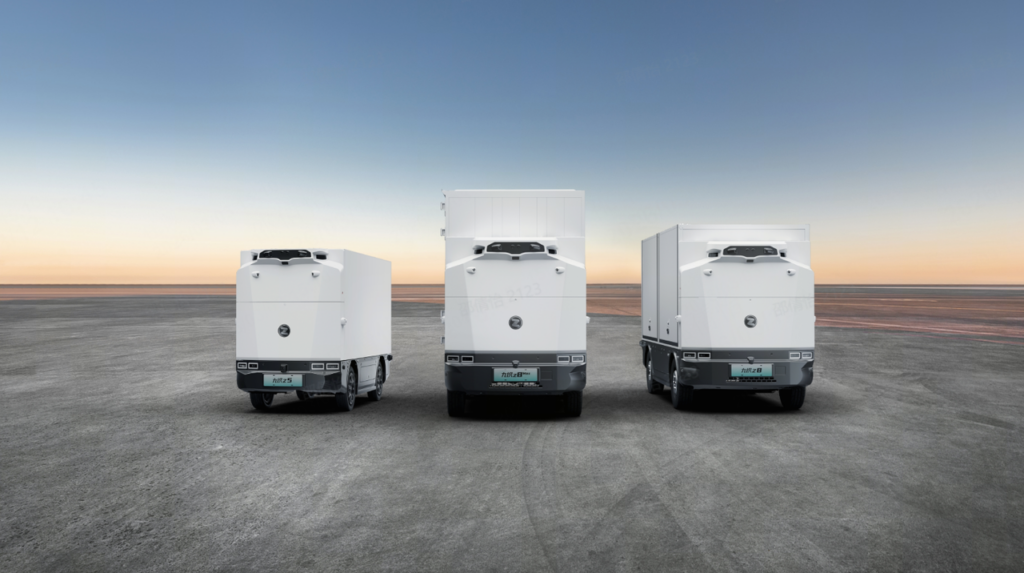
Zelos, a pioneer in L4 autonomous logistics, is accelerating the commercialization of driverless delivery through its rapidly expanding fleet. Operating in over 300 cities, with more than 20,000 deployed units and over 100 million kilometers of cumulative road mileage, Zelos has demonstrated strong real-world scalability. Building on this momentum, the company recently signed an exclusive contract for 200,000 units, integrating Hesai’s lidar as a standard feature across its Robovans, further reinforcing the role of high-performance 3D perception in enabling safe and efficient autonomous delivery at scale.
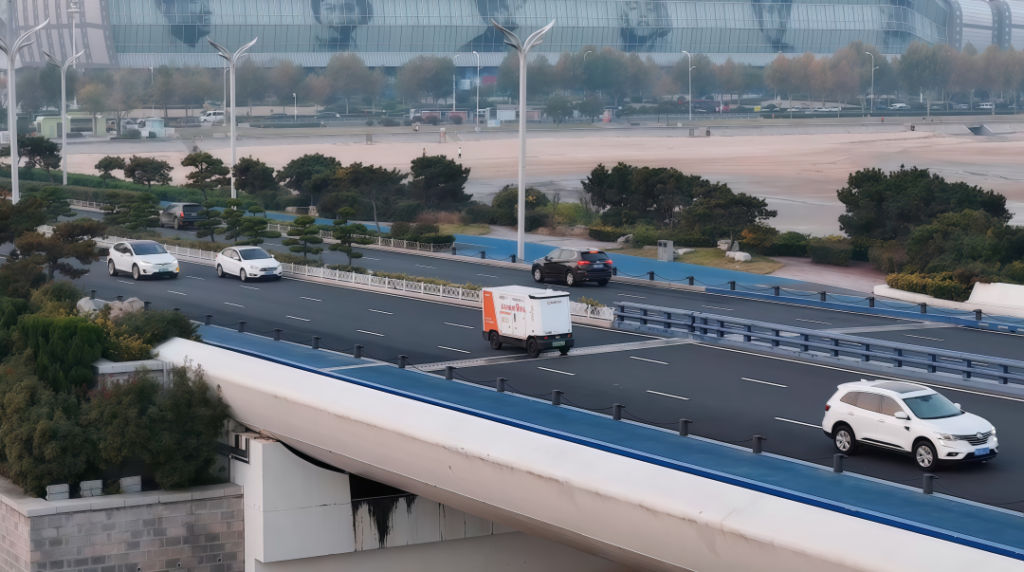
Another leading autonomous delivery company, Neolix, has established a global operational network spanning 17 countries and over 300 cities, with deployments across markets including China, the UAE, Saudi Arabia, Japan, South Korea, Australia, and Portugal. Its technology has been extensively validated across diverse climates, complex road conditions, and varied use cases. Recently, Hesai also announced that, as Neolix’s largest lidar supplier, it will provide automotive-grade lidar solutions — including the company’s high-performance long-range lidar, ATX, and solid-state blind spot lidar, FTX — for multiple models of Neolix’s next-generation L4 autonomous delivery vehicles.
These partnerships underscore the rapid momentum of the industry, with delivery robots representing just one part of the rapidly emerging landscape of physical AI. Where robots must autonomously perceive and interact with their surroundings, reliable perception is essential in enabling robots to detect obstacles, navigate complex environments, and respond effectively to changing conditions. As service robots scale globally, lidar will remain a key enabling technology — helping robots safely navigate the real world and bringing autonomous delivery closer to everyday life.